

Earlier this month, archaeologists made a surprising discovery beneath the waters of Denmark’s Bay of Aarhus. They discovered a Stone Age settlement dubbed “Europe’s Atlantis”.
Researchers uncovered numerous artifacts, including stone tools, arrowheads, animal bones, and even pieces of wood that resembled simple tools. It lies beneath Aarhus, Denmark.
The site dates back about 8,500 years, just as the last Ice Age was ending and ice sheets were melting rapidly. Rising seas engulfed entire coastal settlements, pushing Stone Age hunter-gatherers inland.
Without oxygen, the artifacts were well-preserved.
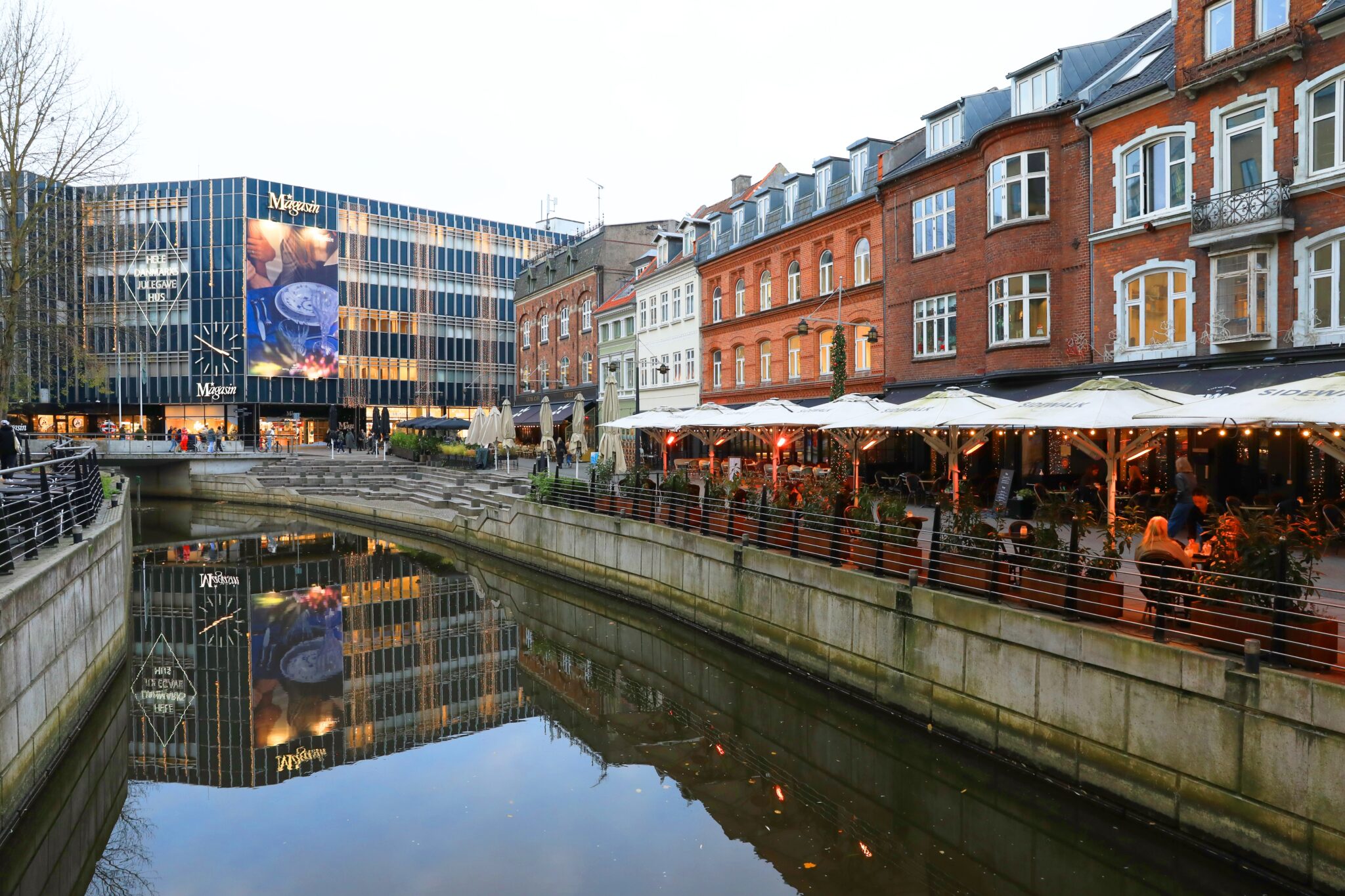
It isn’t the only Atlantis-type city under the sea.
One of the most well-known examples is Doggerland, a landmass that once stretched between Britain, Denmark, and the Netherlands. In 1931, a Dutch fishing boat pulled up ancient artifacts from this forgotten landscape. For thousands of years, it supported hunter-gatherer communities, but around 8,200 years ago, rising seas and a devastating tsunami triggered by a massive undersea landslide near Norway permanently submerged the area. Today, what’s left of it lies beneath the North Sea.
Scientists found the oldest wood structure at Kalambo Falls in Zambia. Dating back 476,000 years, it features two interlocking logs shaped with stone tools and joined with a custom notch. This predates Homo sapiens and shows early human ancestors possessed advanced planning and building skills.
Scientists say it is not likely the builders were homo sapiens.