

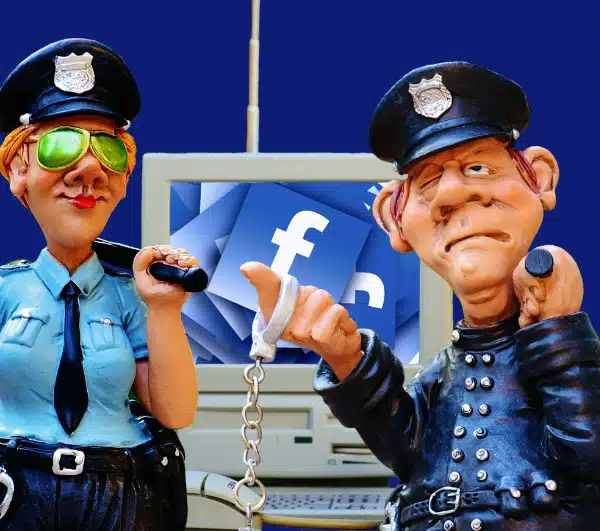
Meta and YouTube lost a social-media addiction trial yesterday. The jurors found the companies negligent and said their app designs harm children. These platforms are usually protected by Section 230 of the Communications Decency Act, which is likely to hold if it goes to the Supreme Court. The woman’s lawyers sued to get around Section 230 by targeting the design. The claim is that there are no adequate warnings or safety features to offset the harm. Also, “autoplay,” “infinite scrolling,” and other features allegedly make the design “dangerous.”
The jury ordered the companies to pay $3 million to the plaintiff, Kaley G. M., and another $3 million in punitive damages. She testified that the social media use that started before she was a teenager dominated her life for years.
Where were her parents?
Kaley said it led to anxiety, depression, and body dysmorphia.
Her attorneys said they deliberately targeted children. They asserted that the Wednesday “verdict is bigger than one case.”
Meta and Google’s YouTube plan to appeal. They have to, since the precedent would be devastating.
“For years, social media companies have profited from targeting children while concealing their addictive and dangerous design features,” the lawyers’ statement said. “Today’s verdict is a referendum—from a jury to an entire industry—that accountability has arrived.”
More than 3,000 other similar lawsuits against Meta, YouTube, Snapchat, and TikTok are pending in California courts.
Mexico even has a case against them, claiming they harm children.
The lawyers focused on the app’s design rather than its content to get around Section 230.
Opinion
This sounds like they are pushing these companies to adopt the laws in Europe and elsewhere that use harm to children as an excuse to silence people on these platforms. I am sorry Kaley was harmed, but her parents should have monitored this level of social media addiction, not a company.
The UK has an Online Safety Act, and the EU has a similar law. They begin with protecting children and then go to disinformation, misinformation, and malinformation, which is information they decided you can’t see, even though it is true. Then they fine the companies outrageous sums. The French put the creator of Telegram in prison. Unfortunately, the Europeans don’t believe in free speech.
These lawsuits seem like a way to force it on US companies.
Can you now sue alcohol companies for children drinking underage and becoming addicted? How about suing Chevy because an underage youth was imprisoned for driving without a license and harming someone?
It’s always someone else’s fault, especially when money is involved.